

A Handy Guide to Kitesurfing in Kent – Where to Go and More. We would always recommend you have a kitesurfing lesson with an accredited kitesurfing school first, but if you were to try a new location to kitesurf on your own, here is a guide of locations an things to consider.
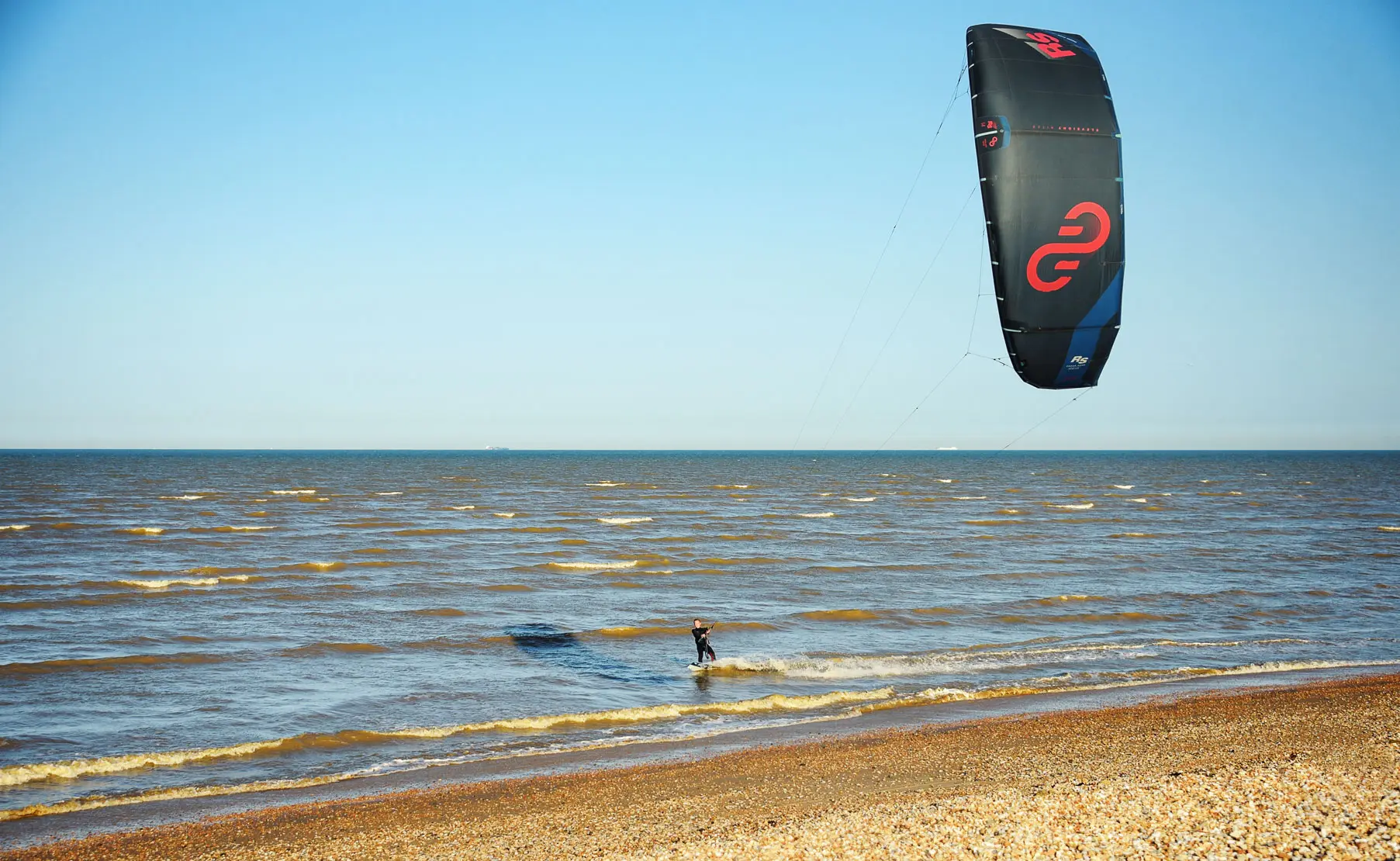
Infinity Sport Kitesurfing School
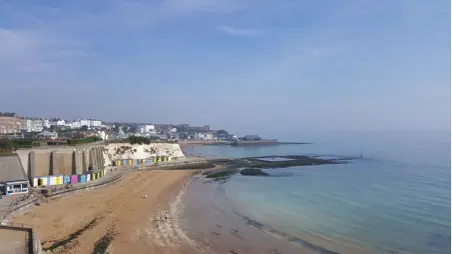
The unique wind and weather patterns that pass across the South of England – and in particular the English Channel – make coastal Kent one of the best regions to go or learn kitesurfing. In addition to its fortuitous weather, transport links from London and the North to Kent are much more accessible than those which link the rest of the UK to Cornwall and Devon, which again makes it a much easier place to get to when you are beginning your kitesurfing journey. Kent’s coast spans across a number of suitable kitesurfing beaches, all of which provide a great setting for novice learners and kitesurfing enthusiasts alike. With that in mind, before we dive straight into the best spots we’re going to go through how to choose the best spot for you, and some handy advice on kitesurfing in general.
What to Consider When Selecting Your Kitesurfing Beach In Kent
Kitesurfing is, after all, an extreme watersport. That means you need to do your research and planning when looking at which beach is going to suit you best. Having the right conditions and equipment with you is crucial for safety, so planning in advance is certainly advised. We’ve compiled a brief checklist below on some of the things you should be checking out about the different beaches in Kent before you decide to book any kitesurfing lessons there.
- Check the Hourly Weather Forecast. Before travelling out to one of the fantastic Kent beaches, you need to take a look at what conditions to expect. Heavy rain and wind speeds will affect whether or not you can safely kitesurf.
- Check the Tide Times at different beaches. Looking at when the tide will be in or out will allow you to calculate the best window of opportunity for you to kitesurf during.
- Perform a Beach Assessment on arrival. When you arrive at whichever beach it is that you’ve chosen, make sure you walk the site and identify all potential hazards and risks. UK beaches can often be particularly hazardous at high tide times so this is always something to consider. Also, if you’ve not visited a certain beach in the past – then speak with a local kitesurfer or kitesurfing centre, as they’ll know of the common issues people run into and what to avoid.
General Knowledge for Kitesurfing in Kent
Whether you’re new to kitesurfing and are in the process of taking lessons with your local kitesurfing centre, or a veteran kitesurfer with years of experience – having some local kitesurfing knowledge will be sure to help with kitesurfing on the coast of Kent.
Kent’s Kitesurfing Season
For lessons, centres will tend to operate only during the British Kitesurfing season (March to November) in the summer. However, for experienced kiters, you can take up winter kitesurfing at many of the beaches in Kent due to it having higher wind speeds and often larger wave sizes on the water.
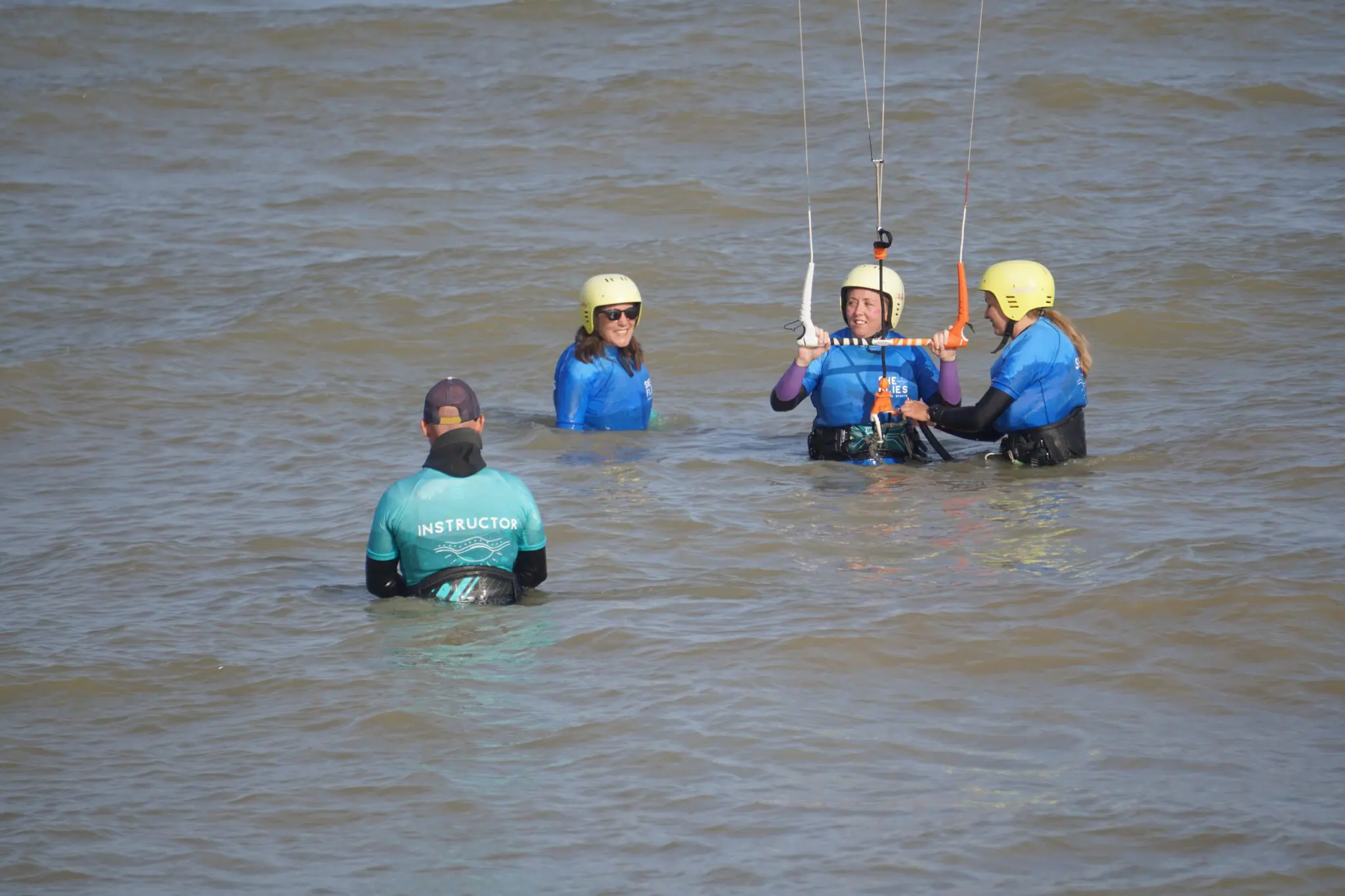
Local Kitesurfing Clubs & Centres in Kent. Many of the beaches in Kent are popular destinations for kitesurfers. As such, there are Kitesurfing clubs at many of these beaches all of which offer lessons to novices and also hold annual events for the experienced kiters who make up their membership. Infinity Sport Kitesurfing School is just 1 hour from London and offers safe kitesurfing lessons for all.
Best Beaches for Kitesurfing in Kent. Depending on your level of experience as well as how far you’re looking to travel are what will affect your decision on where to Kitesurf in Kent. For kitesurfing beginners, there are a few beaches in Kent without designated kitesurf centres, which means you will need to be an experienced kitesurfer in order to kite there.
Minnis Bay/Birchington
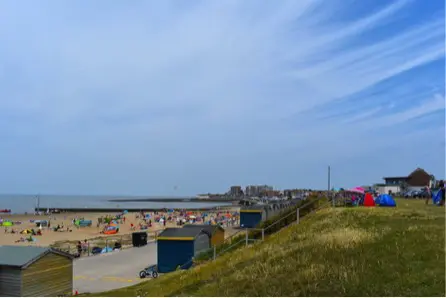
Situated on the North Sea coast of Kent between Herne Bay and Margate, Minnis Bay is a great location for kitesurfing on days with firm northerly winds. Due to this it is a popular beach among kite surfers with its own kite centre associated with the Kent Pirates Club. For beginners it can also be a great place to take up kitesurfing lessons as there is more shallow water than is found on many other beaches in Kent. The only negative with Minnis Bay, is that kiting is restricted at high tide due to the large concrete flood wall that spans the coast.
Sandwich Bay Beach, on the East coast of Kent, is located between Ramsgate and Deal and faces east, making it perfect for a wide range of wind directions that other neighbouring beaches may not be appropriate for. When the tide starts to recede, the beach becomes a wide shingle beach with sand and stones exposed. Because there might be some beach deposits at high tide, it’s best to kitesurf around low tide for less experienced riders.
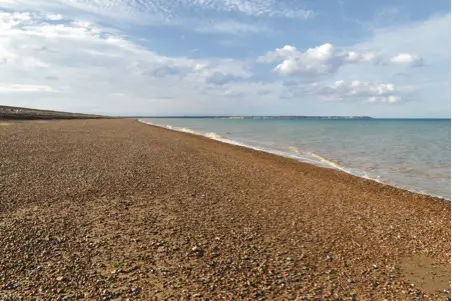
Pegwell Bay is a flat-water bay with various limits and concerns due to its status as a national nature reserve. It requires us to keep off the mudflats at all times and only utilise it when the tide is low and no birds are feeding, or when the tide is high and we approach through the western Undercliff. Before using this beach, please check with the local kiteboarding school.
You should be sure to work out where on the beach you’ll launch from and where you’re allowed to surf. This is because in 2004 the local kitesurfing association had to agree to only launch and surf from specific spots – due to concerns around conservation and wildlife at Pegwell Bay.
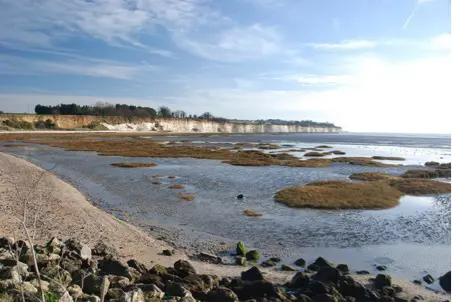
One of the biggest beaches on the Isle of Sheppey, Minster-on-Sea has a vast amount of flat open water, perfect for kitesurfing. One of the greatest benefits of this beach is that even during Kent’s busy summer tourist month’s, very few people actually holiday here. Kiting is fun at any tide, but at low tide the water may be extremely shallow in some spots, and as the tide rises, the pull of the water can be rather powerful owing to the beach’s location. We recommend staying closer to the shore if you are not comfortable riding upwind.
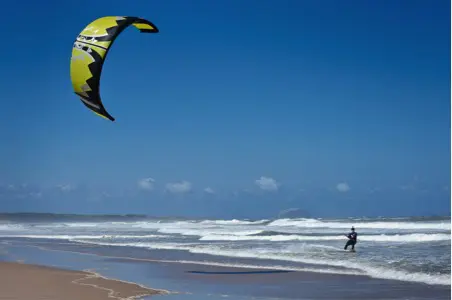
Greatstone Beach/Romney Marsh
At Greatstone Beach the geography of its beach and its position on the English Channel mean that there is more chop and some slightly larger waves for kitesurfers to hit and enjoy riding. You can kite here at high tide, though we would only recommend this for more experienced kitesurfers as the shore break can really challenge you and could land some more novice riders in some trouble.

Whitstable Bay
Perhaps one of the most popular Kitesurfing spots in the UK, but certainly in Kent. Whitstable Bay has long been a great place for kite surfers new and old alike to take to the waves for an action packed session. As a beach, Whitstable Bay gets some of the best Northerly winds in the whole country and due to its popularity among kitesurfers, obstacles for launch have been removed and designated launch spots have been put in place – ensuring a safe experience at Whitstable.
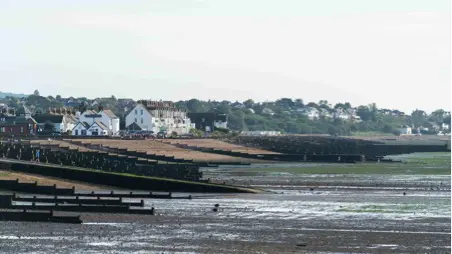
Whitstable Bay